Key takeaways
A kawaii plush is a soft toy built around cuteness, with a round shape, a big-eyed gentle face, soft pastel colors, and a huggable body that feels nice to hold.
The look follows a few clear design rules, so once you know them, spotting a real kawaii plush from a flat knockoff gets easy.
Soft, safe materials and a well-made face matter as much as the style, which is why details like cotton fabric and PP cotton filling are worth checking.

A kawaii plush has a certain look you can spot in a second, even if you cannot name why. Round body, gentle face, soft colors, and a shape that begs for a squeeze. The word “kawaii” comes from Japan and means cute, but the style runs deeper than that one word. Plushie Patch fills its shelves with kawaii toys, from sweet faces to grumpy ones with attitude. Curious what makes a plush “kawaii,” and how to pick a good one? Here is the plain-English version.
What Does “Kawaii” Mean for a Plush?
A kawaii plush is a soft toy designed around cuteness as its main goal. The word “kawaii” is Japanese for cute or adorable, and it covers a whole style of design, not just toys. For a plush, it means a round, soft shape, a sweet or expressive face, and colors that feel gentle on the eyes.
Where does the style come from? Kawaii culture grew in Japan and spread worldwide, shaping everything from stationery to mascots to plush toys. The core idea stays the same across all of it: small, soft, and endearing. A kawaii plush takes those traits and turns them into something you can hold.
What sets a kawaii plush apart from a regular stuffed toy?
Round, soft shapes rather than sharp or boxy ones
A big-eyed, gentle face that reads as friendly
Pastel or soft colors that feel calm and sweet
A huggable size made for squeezing and cuddling
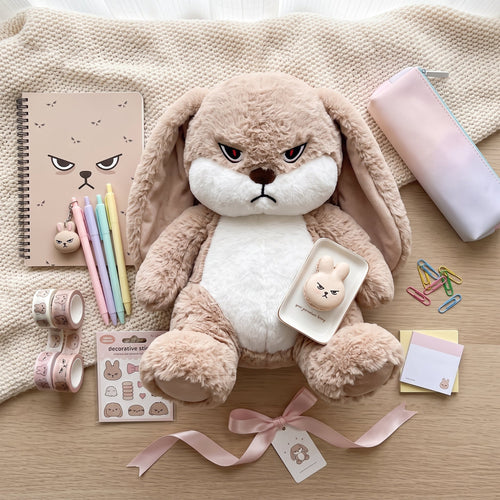
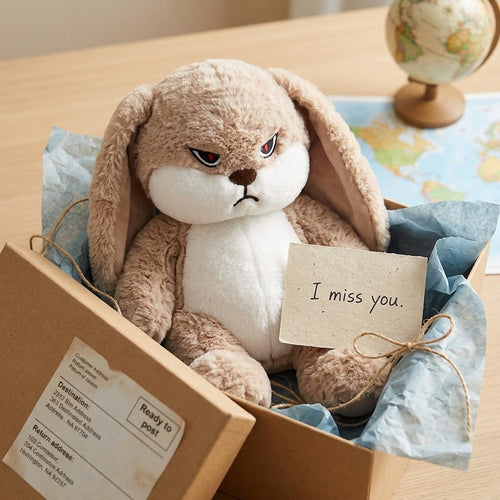
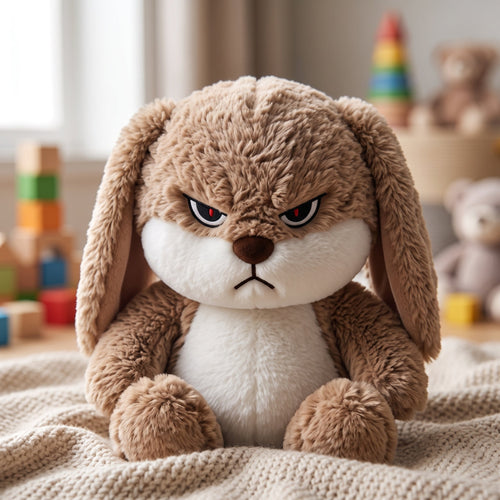
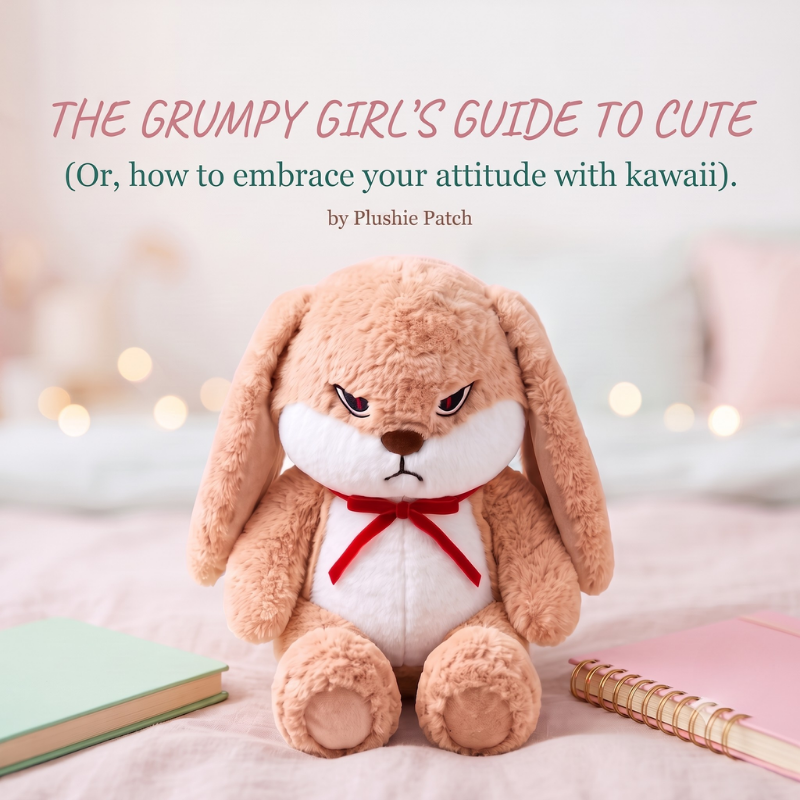
Does kawaii always mean happy and smiley? Not anymore. The style has stretched to include grumpy, sleepy, and shy faces, like the angry rabbit plush with its sulky frown. A grumpy kawaii toy still follows the rules, with a round body and soft colors, but adds a bit of personality through the face. Cute with a mood is still very much kawaii.
Who buys kawaii plushies? The audience is wide. Kids love the soft, friendly look, while teens and adults collect them for the aesthetic and the comfort. Kawaii fans use them as room decor, desk buddies, and gifts. The style crosses ages because cuteness has a broad appeal, and a well-made kawaii plush works for almost anyone who likes soft, sweet things.
The Design Rules Behind a Kawaii Plush
What makes a plush read as kawaii and not just generic? A handful of design rules do the work. Once you know them, you start to see the same building blocks in every cute toy. Designers follow these on purpose, since they trigger the “aww” reaction so reliably.
The main rules at a glance:
Big head, small body, which mimics baby-like proportions
Large, low-set eyes that look gentle and open
Simple, soft features, with no harsh lines
Rounded everything, from ears to paws to body
Soft color palettes, leaning pastel and warm
Why do baby-like proportions feel so cute? Our brains respond warmly to features that look young and small, which is partly why kittens and puppies melt people. Kawaii design leans on that, giving plushies big heads, round cheeks, and short limbs. The toy reads as gentle and harmless, so people want to protect and cuddle it.
Color choice follows the same logic. Soft pinks, creams, pale blues, and gentle browns all feel calm and sweet. A harsh, bright, or dark palette would break the effect. Even a grumpy kawaii plush keeps soft colors, so the frown stays funny rather than scary. The face brings the attitude, while the palette keeps it cute.
Texture seals the deal. A kawaii plush has to feel as soft as it looks, or the charm falls apart. Fluffy or curly fabric, even stuffing, and a squishy body all support the cute look with a cuddly feel. Get the rules right together, and you end up with a toy people cannot resist picking up.
Shapes, Faces, and Colors
Let us break the three big design pillars down further. Shapes, faces, and colors carry most of the kawaii feel, so each one deserves a closer look. Get all three right, and a plush reads as cute instantly.
Start with shape. A kawaii plush rounds off every edge:
A round or egg-shaped body with no sharp corners
Short, stubby limbs that look soft and harmless
Small, rounded ears or features, scaled down and cute
A slightly oversized head, for that baby-like look
Faces do the emotional work. The face decides whether a plush feels sweet, sleepy, or grumpy. Big, low eyes read as gentle. A tiny mouth keeps it simple. Add knit brows and you get a grumpy kawaii look, like the angry rabbit plush, where the face adds personality without losing the cute base.
Color ties it together. Soft, warm, and pastel shades keep the toy calm and sweet:
Pinks and creams for a classic kawaii feel
Pale browns and tans for a natural, cozy look
Gentle blues and lilacs for a soft, dreamy tone
Why avoid bold or dark colors? Harsh shades read as serious or even spooky, which breaks the cute effect. Soft colors keep the plush feeling friendly. Combine round shapes, a gentle face, and a soft palette, and you have the full kawaii recipe in one toy.
Why Soft Materials Matter
A kawaii plush has to feel as good as it looks. Soft materials are not a bonus here, they are part of the style. A cute toy that feels scratchy or stiff loses the charm fast, no matter how sweet the face.
Good kawaii plushies use gentle fabrics and even filling:
Soft cotton or plush fabric for a smooth, cuddly surface
PP cotton filling that stays light and springy
Even stuffing with no hard lumps or thin spots
Curly or fluffy textures that add to the cute feel
Why does the filling matter so much? It shapes how the plush feels and how long it lasts. PP cotton keeps its bounce and shape, so the toy stays plump and huggable for years. Cheaper fillers clump and flatten, leaving a sad, lumpy plush that no longer looks cute. The right filling protects both feel and form.
Safety belongs in the same conversation, especially for kids. A kawaii plush meant for children should be CE certified and free of harmful chemicals, with secure stitching that keeps the filling in. Soft and safe go together. The angry rabbit plush, for instance, pairs soft cotton and PP cotton with a 3+ age rating, so it suits kids as well as adult collectors.
Want a quick feel test? Squeeze the plush and let go. A good one springs back, feels even all over, and has no scratchy seams. A poor one stays dented or feels lumpy. Soft, springy, and even is the goal, since that is what turns a cute-looking toy into one you really want to hold.

Kawaii Plush Styles You’ll See
Kawaii plushies come in more flavors than people expect. The style is broad, so you will spot sweet ones, grumpy ones, sleepy ones, and food-shaped ones, all following the same core rules. Knowing the main styles helps you pick the right vibe.
Here is a quick map of common types:
|
Style |
Look |
Best for |
|---|---|---|
|
Classic cute |
Sweet face, soft smile |
Gifts, kids, decor |
|
Grumpy kawaii |
Frown plus soft body |
Cheeky gifts, teens |
|
Sleepy kawaii |
Closed eyes, calm face |
Bedrooms, comfort |
|
Animal kawaii |
Bunnies, cats, bears |
All-round favorites |
|
Food kawaii |
Plush shaped like snacks |
Collectors, fun decor |
Classic cute is the baseline, with a sweet face and a soft smile. Grumpy kawaii, like the angry rabbit plush, adds attitude through the face while keeping the round, soft body. Sleepy styles use closed eyes for a calm, restful look that suits a bedroom. Each one still follows the kawaii rules underneath.
Animal shapes lead the pack for a reason. Bunnies, cats, and bears already have cute, round features, so they fit the style with ease. A rabbit, with its soft ears and round face, is a natural kawaii pick. Food-shaped plushies, like plush strawberries or buns, lean into novelty while keeping the soft, rounded look.
Which style should you pick? Match it to the person and the use. A grumpy bunny suits a cheeky gift or a teen’s room. A sweet bear fits a child. A sleepy plush works for a calm bedroom corner. The kawaii style is wide enough to cover almost any taste, so there is a cute option for nearly everyone.
How to Spot a Quality Kawaii Plush
Not every cute plush is well made. Some look great in photos, then arrive flat, scratchy, or oddly stitched. How do you tell a quality kawaii plush from a weak one? A few checks make it clear before you buy.
Run through this checklist:
Soft, even fabric with no rough patches
A clear, well-placed face that matches the listing photos
Springy PP cotton filling that holds its shape
Tight stitching with no loose threads or gaps
Safety marks, like CE certification, for kids’ toys
Start with the face, since it carries the whole kawaii feel. A good plush has a neat, well-positioned face that reads as cute or grumpy on purpose. A poor one has crooked or messy features that ruin the look. Compare the listing’s close-up shots to the staged ones, and trust the close-ups more.
Materials come next. Look for soft cotton or plush fabric and PP cotton filling, both signs of a quality build. Reviews help here, since real buyers mention if a plush feels soft or thin. A toy with a 4.8 rating and clear photos, like many kawaii picks at Plushie Patch, is a safer bet than one with no feedback at all.
Want a final check? Look for safety and care details. A listing that names CE certification, materials, and care steps shows the maker takes quality seriously. Missing details can be a small warning sign. Cute is the start, but soft, safe, and well-stitched is what makes a kawaii plush worth keeping.
Care Tips to Keep It Cute
A kawaii plush stays cute for years with simple care. Soft fabric and PP cotton handle gentle cleaning well, so keeping yours fresh takes little effort. How do you clean a plush without ruining the cute look? Go gentle, and avoid heat.
For everyday upkeep:
Surface clean small marks with a damp cloth and mild soap
Air dry fully, away from radiators and direct sun
Brush or fluff the fabric to keep it soft and full
Spot clean spills fast, before they set in
Most plushies do not need a full wash often. A quick surface clean handles dust and small smudges. When a deeper clean is needed, check the label, then hand wash gently in cool water if allowed. Hot water and tumble dryers can shrink fabric, melt filling, or warp the face, so skip them.
Storage helps too. Keep your kawaii plush in a dry spot, since damp invites mildew on soft toys. A shelf or bed is ideal. Treat it gently, and the round shape, soft fabric, and sweet face all stay looking their best, just like the day it arrived.
Building a Kawaii Plush Collection
Many fans do not stop at one. A kawaii plush collection grows fast once you start, since the styles are so varied and easy to love. Want to build a set that looks great together? A little planning makes it fun rather than random.
Think about a theme to tie the collection together:
By animal, like a shelf of bunnies, cats, and bears
By color, for a soft pastel display
By mood, mixing sweet, sleepy, and grumpy faces
By size, pairing big cuddle plushies with small desk ones
Why pick a theme at all? A themed collection looks intentional and styled, not cluttered. A row of pastel plushies, or a mix of grumpy and sweet faces, makes a cute display on a bed or shelf. Random buys can clash, while a loose theme keeps things looking sharp.
Start small and build over time. One standout plush, like a grumpy bunny, can anchor a collection, with others added around it. Sales, gifts, and new releases all help it grow. Buying from a single shop often keeps the style consistent, since the toys share a similar design language.
Display matters as much as the toys. Keep your collection on a clean shelf or made bed, out of damp and direct sun, so the plushies stay soft and bright. Rotate them now and then for a fresh look. A well-kept kawaii collection turns a corner of any room into a cute, cozy feature that fans of the style love.
Frequently Asked Questions
What does kawaii mean for a plush toy?
Kawaii is a Japanese word for cute, and a kawaii plush is a soft toy built around that cuteness. It usually has a round body, a big-eyed gentle face, soft pastel colors, and a huggable size. The style now includes grumpy and sleepy faces too, as long as the soft, rounded base stays.
Are grumpy plushies still kawaii?
Yes. A grumpy plush still counts as kawaii when it keeps the round body, soft colors, and cuddly feel. The frown sits on the surface and adds personality, while the rest follows the cute rules. An angry rabbit plush is a clear example, with a sulky face on a soft, huggable body.
What materials make the best kawaii plush?
Soft cotton or plush fabric with PP cotton filling makes the best kawaii plush. The fabric gives a smooth, cuddly surface, and the filling stays light and springy so the toy keeps its shape. For kids, look for CE certification and a no-harmful-chemicals note to be sure it is safe.
How do I keep a kawaii plush looking cute?
Surface clean small marks with a damp cloth and mild soap, then air dry away from heat. Brush the fabric to keep it soft, and store the plush in a dry spot. Avoid bleach, hot dryers, and soaking, since heat and harsh chemicals can shrink fabric, flatten filling, or warp the cute face.
Where can I buy kawaii plush toys?
Plushie Patch stocks a range of kawaii plushies, from sweet faces to a grumpy angry rabbit plush, with free tracked shipping. Other kawaii and plush shops carry similar styles. Check the materials, safety marks, and reviews before buying, so the toy you get is as soft and cute as it looks online.