Key takeaways
-
Grumpy cute characters win people over because a frowning, sulky face feels relatable and funny, while the soft, round design keeps it lovable.
-
The appeal comes from a mix of psychology and humor, where a cute baby-like shape meets a grumpy mood we all recognize.
-
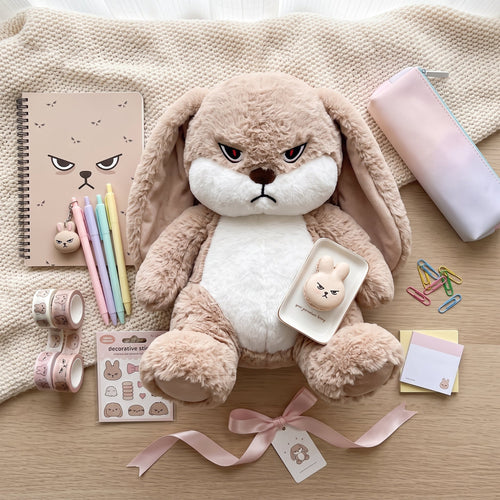
The trend turned into a wave of grumpy plushies and merch, like the angry rabbit plush, that let fans own the cute-angry mood.
Grumpy cute characters have a strange power over people. A sulky face on a soft, round body makes us smile, even though the character looks annoyed. The cute-angry mix is funny, relatable, and oddly comforting all at once. From meme cats to sulky mascots to plushies, the look keeps spreading. Plushie Patch leaned into it with a whole grumpy gift range. Why does a frown make a character more lovable, not less? Here is the cute-angry appeal explained.
What Makes Grumpy Cute Characters So Likable
Grumpy cute characters are likable because they pair two things we enjoy: a frowning, relatable mood and a soft, cute design. The frown feels human, since everyone has grumpy days, while the round, gentle shape keeps the character endearing. The combination is the whole appeal.

Why does a grumpy face work better than a happy one sometimes? A constant smile can feel flat or even a bit much. A frown has personality. It suggests a mood, a story, an opinion, which makes the character feel real rather than blank. A grumpy bunny seems like it is having a day we all know, which draws us in.
A few traits make grumpy cute characters click:
-
A relatable mood, since we all feel grumpy sometimes
-
A soft, cute design that keeps the frown lovable
-
Humor, from the gap between cute and cross
-
Personality, which a plain happy face often lacks
Does the grumpiness make them unlikable? The opposite, really. The frown adds charm because it sits on a cute, harmless body. We read the character as moody but sweet, like a sulky pet. A grumpy face on a soft bunny reads as funny, not scary, which makes us want to comfort and keep it.
Who loves these characters? Almost everyone, across ages. Kids find them funny, teens find them relatable, and adults find them a mood match for daily life. The cute-angry look crosses generations because the feelings behind it are universal. A grandparent and a grandchild can laugh at the same grumpy bunny for slightly different reasons, which is part of the charm. The rest of this guide digs into why the mix works so well, and how it became a plush trend.
The Psychology of Cute-Angry
What makes the cute-angry combo so appealing? A bit of psychology explains it. Our brains respond to cute features and to clear emotions, and grumpy cute characters trigger both at once. The result is a face we find funny, endearing, and hard to look away from.
Two forces drive the appeal:
-
Cuteness, which makes us want to nurture and protect
-
Relatable emotion, which makes us feel a connection
Cuteness pulls on a deep instinct. Round shapes, big eyes, and small bodies read as young and harmless, which makes us want to care for them. A grumpy character keeps all those cute traits, so the nurturing pull stays strong. The frown does not cancel the cuteness, it adds a twist on top of it.
The emotion side matters just as much. A clear, readable mood, even a grumpy one, makes a character feel alive. We connect with faces that show feelings, and grumpiness is one we all share. Seeing our own bad-day mood reflected in a cute bunny feels funny and validating, like the character gets it.
Why is the contrast itself so satisfying? A cute, sweet shape with a cross, moody face creates a gentle surprise. We expect cute to mean happy, so a grumpy cute character breaks the pattern in a fun way. The small clash between look and mood is what makes us smile. Cute plus cranky is more memorable than cute plus cheerful.
Why a Frown Feels Relatable
Why does a frowning character feel so relatable? It mirrors how we often feel. Life brings plenty of grumpy moments, from early mornings to long days, and a sulky character reflects that. Seeing our mood in a cute face is comforting and funny.
A frown connects for a few reasons:
-
It is real, showing a mood we all hide sometimes
-
It is funny, since the character looks how we feel
-
It is comforting, like company for a bad day
-
It is expressive, giving the character real personality
A constant smile can feel a little fake, since no one is happy all the time. A grumpy character is refreshing because it shows the other side. A bunny with a frown seems to say “yeah, today is a lot,” which matches how people often feel but rarely show. The realness is part of the charm.
How does that help on a bad day? A grumpy plush or character feels like a companion who understands. Instead of a cheery face that clashes with your mood, you get one that matches it. The shared grumpiness is oddly soothing, and the cute design adds warmth. A moody bunny on a rough day feels like a friend, not a contrast.
Humor seals the appeal. A cute character looking cross at the world is simply funny, since the mood is so out of step with the sweet design. We laugh at the gap, then feel a little better. A frown that makes us smile is the heart of why grumpy cute characters connect so widely. The laugh comes easy, and the warmth follows right after, which is a rare mix for one small face to pull off.
The Baby-Face Effect
What makes a grumpy character still read as cute? The baby-face effect. Soft, round, baby-like features trigger our nurturing instinct, no matter the expression. So a grumpy face on a baby-like shape stays lovable rather than off-putting.
Baby-like traits that keep characters cute:
-
A large head relative to the body
-
Big, low-set eyes that look gentle
-
Round cheeks and a small body
-
Soft, rounded edges with no sharp lines
Our brains respond warmly to features that look young, which is why babies, puppies, and kittens melt people. Grumpy cute characters borrow those traits, with big heads, round cheeks, and soft shapes. The cute base stays strong, so the frown reads as a mood on a sweet face, not a real threat.
Why does the effect hold even with an angry expression? The round, harmless shape signals “safe and young,” which overrides the grumpy mood. We see a sulky baby animal, not a danger. A frowning bunny with big eyes and round cheeks looks cross but cuddly. The design keeps us drawn in, while the frown adds the fun.
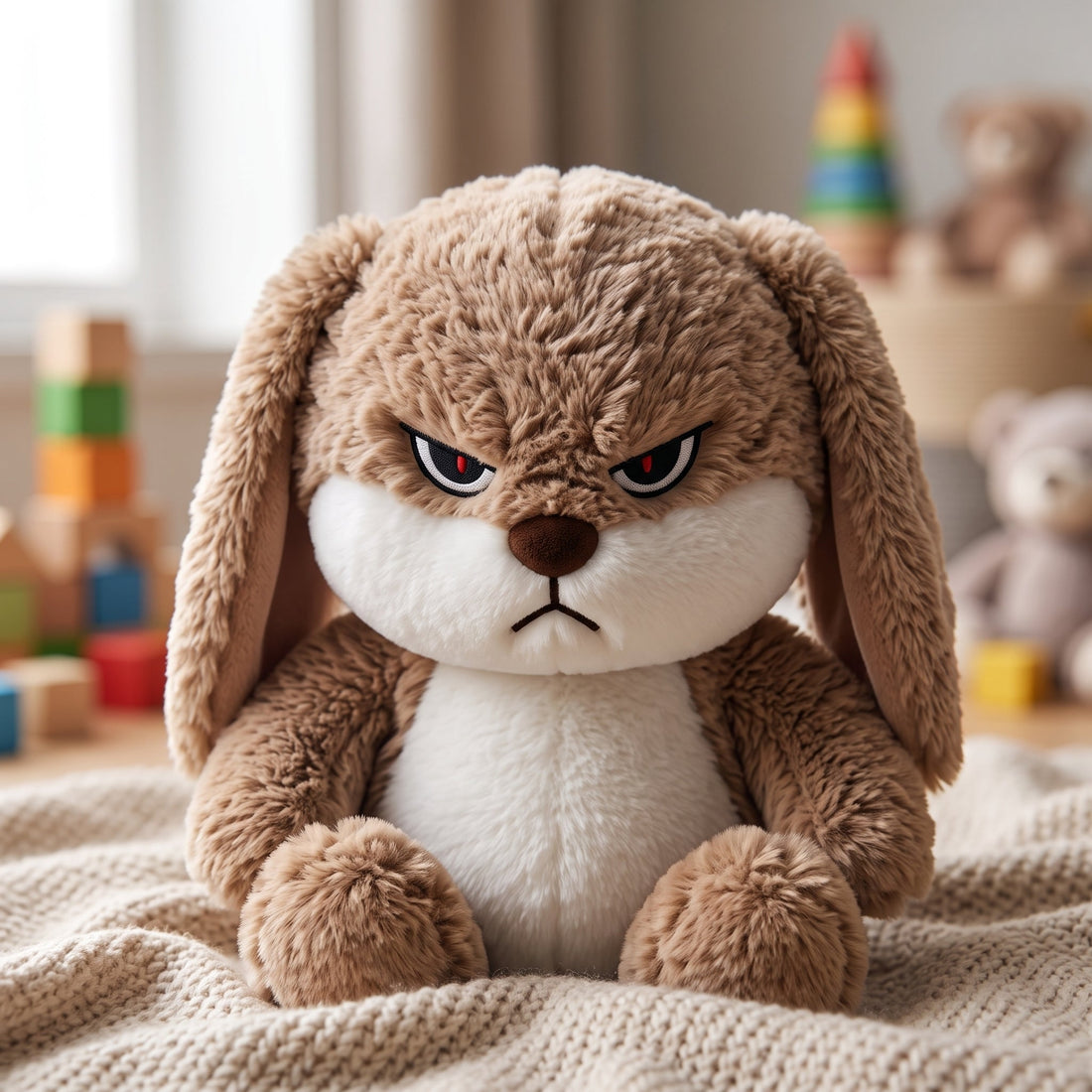
Designers use this on purpose. To make a grumpy character lovable, they keep the proportions baby-like and the colors soft, then add the frown through brows and mouth. The angry rabbit plush follows that recipe, with a round, soft body and a clear grumpy face. The baby-face base is what lets the frown be charming instead of scary.
Famous Grumpy Characters Through the Years
Grumpy cute characters are not new. The appeal has shown up across cartoons, memes, and merch for years, in many forms. Looking at the types helps explain why the trend feels so familiar. Here is a quick map of common grumpy character styles.
|
Grumpy type |
What people love |
|---|---|
|
The sulky pet |
Relatable moods, like a cranky cat or bunny |
|
The grumpy mascot |
A cross face on a cute brand character |
|
The meme character |
A viral grumpy face shared for laughs |
|
The cartoon grouch |
A lovable, complaining side character |
|
The grumpy plush |
A soft toy that owns the cute-angry mood |
The sulky pet is a classic. A cranky-looking cat or bunny feels relatable, since real pets have moods too. Internet culture turned grumpy-faced animals into viral stars, with their cross expressions shared for laughs worldwide. The humor came from the gap between a cute animal and a deeply unimpressed face.
Cartoon grouches have long been favorites as well. A grumpy, complaining side character often steals the show, since the mood is funny and human. Brand mascots sometimes use a cheeky or cross face to stand out, swapping a generic smile for personality. A grumpy mascot is more memorable than a relentlessly happy one.
How did this lead to plushies? Fans wanted to own the cute-angry mood, so the look moved into merch and soft toys. A grumpy plush lets people keep that relatable, funny character close. The angry rabbit plush sits in this lineage, a soft toy that captures the grumpy charm fans have loved across memes, cartoons, and mascots for years.
Why Grumpy Plushies Became a Trend
How did grumpy plushies grow into such a trend? The cute-angry appeal met the comfort of a soft toy. People wanted to hold the grumpy mood they found so funny and relatable, and a plush delivered that. The result was a wave of frowning bunnies, cats, and more.
A few forces drove the trend:
-
Relatability, since a grumpy plush matches real moods
-
Humor, which makes the toy a fun gift and decor piece
-
Comfort, from the soft, huggable build
-
Shareability, as grumpy faces do well in photos and videos
Social media gave the trend a big push. A frowning plush photographs well and gets a laugh in comments, so people share them widely. Tagging a friend who “is this grumpy bunny” spreads the toy for free. The gap between a cute plush and a cross face is exactly the kind of thing that travels online.
Gifting helped too. A grumpy plush makes a cheeky, personal present, since it carries humor and affection at once. It says “I love you, even when I’m moody,” which feels more real than a generic sweet gift. Couples, friends, and self-gifters all picked them up, which widened the trend further.
Why do grumpy plushies last beyond a quick fad? They mix comfort, humor, and decor in one lasting object. Unlike a meme that fades, a soft toy stays on the bed or desk for years. The cute-angry appeal keeps working every time you see that frown. Grumpy plushies turned a relatable mood into a keepsake, which is why they stuck.
Turning a Grumpy Character Into a Gift
Why does a grumpy character make such a good gift? The cute-angry mood carries humor and warmth together. A grumpy plush says you know the person’s sense of humor, which feels personal. It works for many occasions and people.

A grumpy plush gift works because it:
-
Gets a laugh, from the cute-angry contrast
-
Feels personal, matching the receiver’s humor
-
Comforts, with a soft, huggable build
-
Lasts, as decor and a keepsake long after
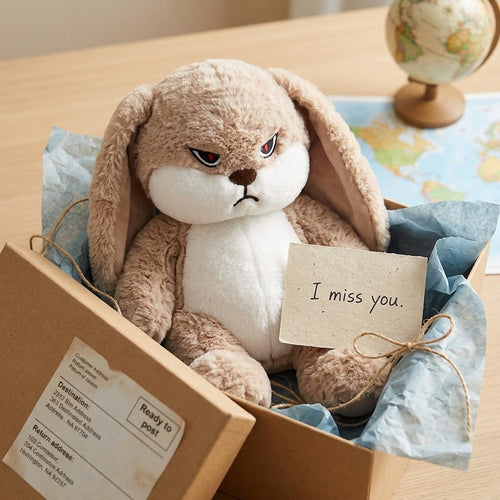
Who suits a grumpy character gift? Sarcastic friends, moody-in-a-funny-way partners, teens, and anyone over generic sweet gifts. The frown turns “I’m thinking of you” into a joke you both get. A grumpy bunny for Valentine’s, a birthday, or an “I miss you” moment lands with both humor and heart.
Want to make the gift land? Match the character to the person’s humor and pair it with a short, teasing note. The angry rabbit plush, soft and cheeky, suits this well. Turning a grumpy character into a gift is simple: pick a well-made plush, add a personal line, and let the cute-angry charm do the rest.
Picking a Grumpy Cute Plush You’ll Love
Ready to get one? Picking a grumpy cute plush comes down to face, feel, and build. The right one nails the cute-angry look and feels soft to hold. What should you check before buying?

Run through these points:
-
The face: a clear, well-placed frown that reads as cute-angry
-
The feel: soft cotton fabric and springy PP cotton filling
-
The size: 30cm for desks, 42cm for cuddling and decor
-
The build: tight stitching and safe, CE-certified materials
Start with the face, since it carries the whole appeal. A good grumpy plush has a clear frown on a cute, round base, so it reads as moody but lovable. A face that is too harsh looks mean, while one too soft loses the joke. The sweet spot is annoyed yet adorable, like the angry rabbit plush.
Feel matters next. A grumpy plush should be soft and huggable, or the comfort side is lost. Soft fabric and even PP cotton filling give that squishy, springy feel. Check reviews and close-up photos for signs of quality. A toy with a strong rating and clear images is a safer bet than one with no feedback.
Match the size to the use, and check the build for safety. A 42cm plush suits cuddling and decor, while a 30cm one fits a desk. CE certification and tight stitching mean the plush is safe and durable. Get the face, feel, size, and build right, and you end up with a grumpy cute plush you will love for years.
Frequently Asked Questions
Why do people love grumpy cute characters?
People love grumpy cute characters because the frowning face feels relatable and funny, while the soft, round design keeps it lovable. The mood mirrors real feelings, the cute shape triggers a nurturing instinct, and the gap between sweet and cross makes us smile. The mix is more memorable than a plain happy face.
What makes a grumpy face still look cute?
The baby-face effect. Round, baby-like features, like a large head, big low eyes, and round cheeks, trigger our nurturing instinct no matter the expression. So a frown on a soft, round body reads as a moody but harmless face. The cute base stays strong, while the frown adds humor and personality.
Are grumpy plushies just a passing trend?
They have lasted because they mix comfort, humor, and decor in one object. Unlike a meme that fades, a grumpy plush stays on a bed or desk for years, and the cute-angry appeal works every time you see it. The relatable mood behind the look is universal, which keeps the toys popular over time.
Is a grumpy plush a good gift?
Yes. A grumpy plush carries humor and warmth at once, so it feels personal. The frown turns “I’m thinking of you” into a shared joke, which suits sarcastic friends, partners, and teens. It also comforts with a soft build and lasts as decor. Pair it with a teasing note, and the gift lands well.
How do I pick a good grumpy cute plush?
Check the face, feel, size, and build. Look for a clear frown on a cute, round base, soft cotton fabric, and springy PP cotton filling. Pick 30cm for a desk or 42cm for cuddling and decor. Tight stitching and CE certification mean it is safe and durable. Reviews and close-up photos confirm quality.