Key takeaways
Plush room decor turns soft toys into a styling feature, with bunnies and other plushies adding color, comfort, and personality to a bed, shelf, or desk.
The trick is matching plushies to your room’s colors, theme, and scale, so they look planned rather than cluttered.
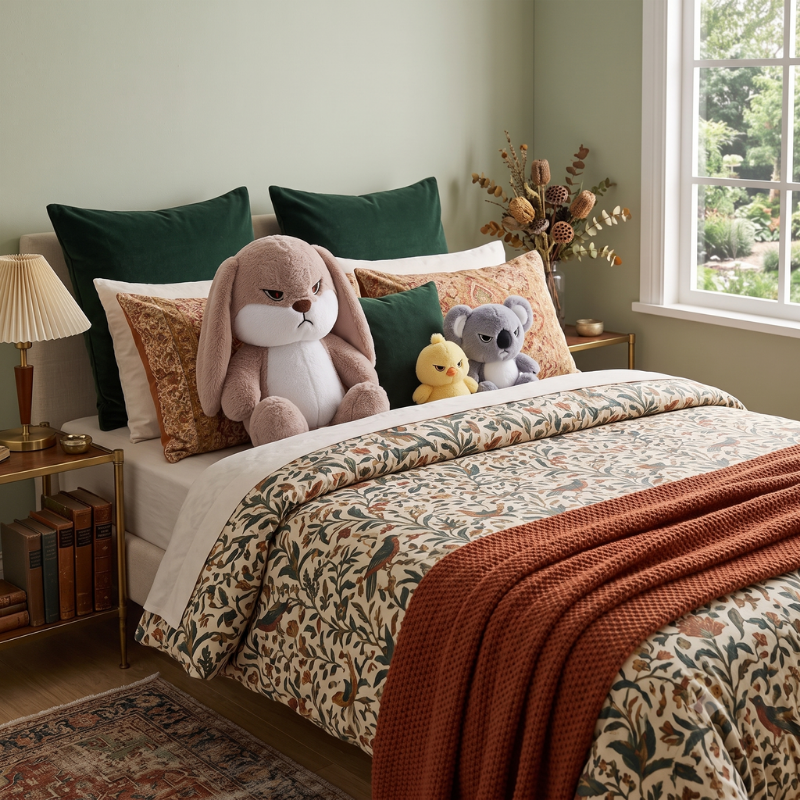
A few well-placed, well-kept plushies, like a grumpy rabbit on a made bed, do more for a room than a big random pile.

Plush room decor is one of the easiest ways to add warmth to a space. A soft toy on a made bed or a tidy shelf brings color, comfort, and a bit of character, all without painting a wall or buying furniture. The key is using plushies on purpose, as a styling choice, instead of letting them pile up. Plushie Patch stocks plenty of cute toys that double as decor, grumpy bunnies included. Want a room that feels cozy and put-together? Here is how to style plushies well.
How to Use Plush Room Decor
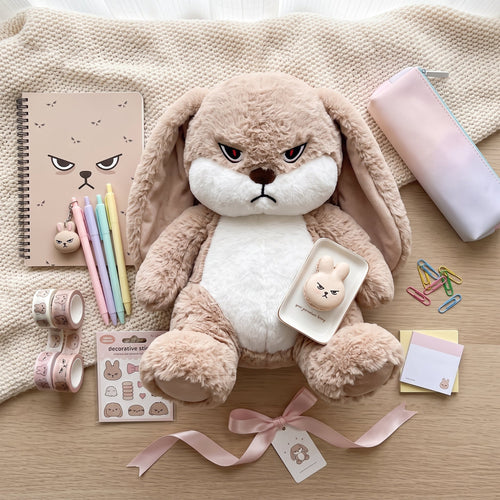
Plush room decor means using soft toys as part of your styling, not just storing them in a corner. A bunny on the bed, a small plush on a shelf, or a cute toy on your desk all count. Used well, plushies make a room feel soft, personal, and lived-in, the way a cushion or a throw might.
How do plushies work as decor? They add three things a room often needs:
Color, through soft pastels or warm tones
Texture, with their fluffy, huggable surface
Personality, since each one shows a bit of your taste
Where you place them matters as much as which you pick. A plush propped against the pillows reads as styled, while the same toy tossed on the floor reads as clutter. Treat plushies like any decor piece, with a spot chosen on purpose. A grumpy rabbit plush on a made bed, for instance, adds a fun focal point that still feels tidy.
Is plush decor only for kids’ rooms? Not at all. Teens, students, and adults all use plushies to soften a space. A single characterful plush on a neutral bed looks intentional and cozy, not childish. The trick is restraint and placement. One or two standout pieces beat a heap of random toys every time.
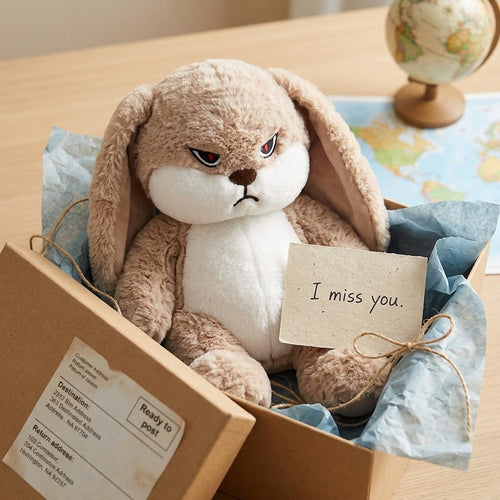
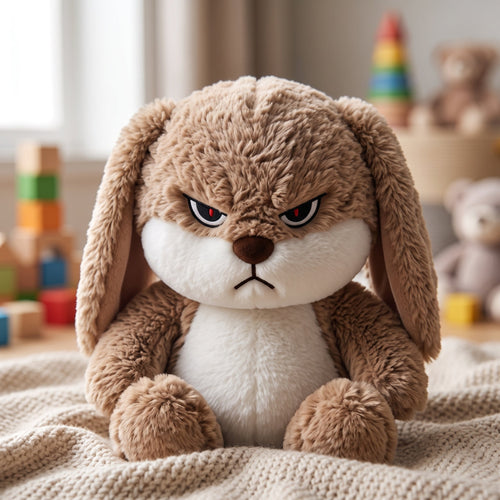
What kinds of plushies work best as decor? Pieces with a clear look and good color suit styling well. A grumpy bunny adds humor, a sweet bear adds softness, and a themed plush ties into a wider aesthetic. Pick toys that match your room’s vibe, place them with care, and plushies turn from clutter into a cozy design feature.
Picking Plushies That Match Your Room
How do you choose plushies that fit your room? Match them to what is already there. A plush that suits your colors, theme, and scale looks like part of the design, while a clashing one stands out for the wrong reasons. Start with what your room already has.
Think about three things before you buy or place a plush:
Color, so it works with your bedding and walls
Theme or vibe, like cozy, pastel, or minimal
Scale, so the size suits the spot
Why does color come first? A room reads as styled when its colors agree. A plush in a tone that matches or gently contrasts your bedding looks deliberate. A pastel bunny suits a soft, light room, while a richer color can anchor a bolder space. Pull a shade from your existing decor, then pick a plush in that range.
Theme matters too. A kawaii room suits cute, soft plushies, while a minimal room wants one clean, characterful piece rather than a crowd. A grumpy rabbit plush fits a cozy, slightly playful space, adding humor without breaking the calm. Match the plush’s mood to the room’s mood, and the two work together.
Want a quick rule? Choose plushies you would still like if they were a cushion or a vase. Decor pieces earn their spot through look and fit, not just sentiment. A plush that ticks the color, theme, and size boxes will style your room well. One that clashes on all three will fight it, no matter how cute it is on its own.
Color and Theme Tips
Color and theme do most of the heavy lifting in plush decor. Get them right, and even a few plushies pull a room together. Get them wrong, and the same toys feel scattered. How do you nail both?
Start with a simple color approach:
Match the plush to a color already in your bedding or walls
Contrast gently, like a soft pink plush on cream sheets
Stick to a palette of two or three tones for a calm look
Avoid clashing brights that fight the rest of the room
A matched palette reads as styled. A pastel kawaii room, for example, suits soft pinks, creams, and pale blues, so plushies in those tones blend right in. A grumpy bunny in a gentle tone adds character while keeping the palette calm. Pull your plush colors from the room, and the whole space looks intentional.
Theme ties it together. A kawaii aesthetic loves cute, soft plushies, while a cozy theme suits warm tones and chunky textures. Pick plushies that match the story your room tells. A sleek, minimal room wants one standout plush, not a pile, so the look stays clean.
Want to add humor without chaos? A single grumpy plush works as a playful accent against a calm, matched backdrop. The frown stands out in a good way, since the rest of the room stays tidy and tonal. Match colors, pick a theme, and let one or two plushies bring the personality. Restraint keeps it looking styled.
Choosing the Right Size for the Space
Size shapes how a plush works as decor. A toy that is too big overwhelms a small shelf, while a tiny one gets lost on a large bed. How do you match plush size to the spot? Look at the space first, then pick to fit.
Use these size pointers:
Large plush (around 42cm): beds, sofas, and floor corners
Small plush (around 30cm): desks, shelves, and bedside tables
Mix sizes for a layered, styled look
Leave breathing room, so plushies do not crowd the surface
Why does scale matter so much? A large bunny anchors a bed and reads as a feature, while a small one suits a shelf without taking over. Put a tiny plush alone on a big bed, and it looks lost. Put a huge one on a narrow shelf, and it looks crammed. Match the plush to the surface, and the placement feels right.
Layering sizes adds depth. A large plush at the back with one or two smaller ones in front creates a styled, gallery-like look on a bed. The 42cm angry rabbit plush works well as the anchor, with smaller pieces around it. Keep some space between them, though, since crowding undoes the effect.
Want a balanced result? Aim for one larger statement plush per surface, plus a couple of smaller supporting ones at most. Decor works through breathing room as much as the objects themselves. Right size in the right spot, with space to spare, turns plushies into styling rather than clutter.

Styling Plushies on a Bed
The bed is the natural home for plush decor. A made bed with a well-placed plush looks cozy and styled at once. How do you arrange plushies on a bed so they look intentional? Placement and number are the keys.
Here are some bed-styling placements that work:
|
Placement |
Effect |
|---|---|
|
Centered against the pillows |
A clear focal point |
|
Off to one side |
A relaxed, casual look |
|
Layered in front of cushions |
A styled, layered feel |
|
Single large plush as anchor |
Simple and tidy |
Start with one anchor plush. A larger piece, like a 42cm grumpy bunny, propped against the pillows gives the bed a focal point. Add one or two smaller plushies in front for depth, and stop there. A made bed with three well-placed plushies reads as styled, while ten scattered ones read as a mess.
How many plushies are too many on a bed? More than you can place with space between them. The goal is a tidy, layered look, not a pile you have to clear each night. Keep the number low, give each one room, and the bed stays both cozy and functional.
Want the styled-bed look to last? Make the bed first, then place the plushies last, like the finishing touch. A neat base makes the plushies pop. Smooth the duvet, set the pillows, then add your anchor bunny and a small friend or two. The contrast of a crisp bed and soft, characterful plushies is what makes the whole thing look put-together.
Plush Decor Beyond the Bed
Plushies are not just for beds. The right spots around a room let soft toys add charm to desks, shelves, and cozy corners. Where else can plush decor shine? More places than people think.
Try these spots beyond the bed:
Desk: a small plush as a cute, mood-lifting buddy
Shelf: plushies mixed with books and small decor
Reading nook: a soft plush for a cozy corner
Windowsill: a single plush for a sweet accent
Bedside table: a small bunny for a soft touch
A desk plush does double duty. A grumpy bunny by your monitor adds personality to a workspace and gives you something soft to glance at on a long day. The 30cm size suits a desk well, since it fits beside a screen without crowding. A pop of character there makes a plain desk feel more like yours.
Shelves love plushies too. Mix a small plush or two among books, candles, and frames for a layered, styled shelf. A reading nook or a chair corner suits a soft plush as a cozy accent, ready for a cuddle while you read. Pair plush decor with soft lighting, like a night light, and the corner feels even warmer.
Want variety without clutter? Spread a few plushies across different spots rather than piling them in one place. One on the desk, one on a shelf, one on the bed reads as styled throughout, while a single heap looks messy. Place plushies around the room with intention, and the whole space feels soft, personal, and cozy.
Keeping Decor Plushies Clean and Fresh
Decor plushies sit out in the open, so they gather dust over time. Keeping them clean keeps your room looking fresh. How do you care for plushies used as decor? A little regular upkeep does the job.
Simple care steps for decor plushies:
Dust or shake them out every week or two
Surface clean small marks with a damp cloth and mild soap
Air them near an open window now and then
Brush the fur to keep it soft and full
Why does dust build up matter? Plushies on display collect dust like any soft surface, which can dull their look and bother allergies. A quick shake or a gentle vacuum on low keeps them fresh. For small marks, a damp cloth with mild soap works without a full wash. Keep heat away, since hot water and dryers can warp shape and color.
Placement helps too. Keep decor plushies out of direct sun, since strong light fades fabric over time. A dry spot away from damp also stops any musty smell. Rotate them occasionally for an even look. Treat your decor plushies with the same light care you give cushions, and they will keep your room looking styled and cozy for a long time.
Mistakes to Avoid With Plush Decor
Plush decor is easy to get right, but a few common mistakes can make a room look cluttered instead of cozy. Knowing them upfront saves you the messy look. What should you avoid?
The main plush decor mistakes:
Too many plushies crowding one surface
Clashing colors that fight the room’s palette
Random placement with no thought to scale or spacing
Neglecting cleaning, so plushies look dusty and tired
Ignoring the room’s theme, so toys feel out of place
Why does overcrowding hurt the look most? A pile of plushies reads as clutter, no matter how cute each one is. Decor works through space and restraint. A few well-placed pieces look styled, while a heap looks like a toy bin. Edit down to your favorites, and give each a spot with breathing room.
Color clashes are the next trap. A plush in a tone that fights your bedding or walls stands out in a bad way. Match or gently contrast instead, pulling colors from the room. A grumpy bunny in a soft, fitting tone adds character without breaking the palette, while a clashing bright one disrupts it.
One more mistake: forgetting upkeep. Dusty, flattened plushies drag a room down, even when well placed. Light, regular care keeps them looking fresh and styled. Avoid these few errors, and plush decor stays a cozy, personal feature rather than a cluttered afterthought. Restraint, matching colors, and a little care are all it takes.

Frequently Asked Questions
How do I use plushies as room decor?
Treat plushies like any decor piece, with a chosen spot and a matched color. Place one larger plush as an anchor on a bed, then add one or two smaller ones for depth. Spread a few across the desk, shelf, and bed rather than piling them. Keep them clean, and they look styled, not cluttered.
How many plushies should I display in a bedroom?
Fewer than you might think. A made bed looks best with one anchor plush and one or two smaller supporting pieces. Surfaces like shelves and desks suit a single plush or a small group. The goal is a tidy, layered look with space between pieces, so the room reads as styled rather than crowded.
Do plushies make a room look childish?
Not when styled well. One or two characterful plushies in matched colors look cozy and intentional, not childish. The trick is restraint and placement. A single grumpy bunny on a neat bed reads as a playful design accent. Piles of random toys are what tip a room into looking childish, so keep it edited.
How do I keep decor plushies clean?
Dust or shake them every week or two, and surface clean small marks with a damp cloth and mild soap. Air them near a window now and then, and brush the fur to keep it soft. Keep plushies out of direct sun and damp to protect color and avoid musty smells, and skip hot washing for display pieces.
What size plush works best for room decor?
A larger plush, around 42cm, anchors a bed or sofa, while a smaller one, around 30cm, suits desks, shelves, and bedside tables. Mix sizes for a layered look, with a big piece at the back and small ones in front. Match the plush size to the surface so it neither crowds nor gets lost.